
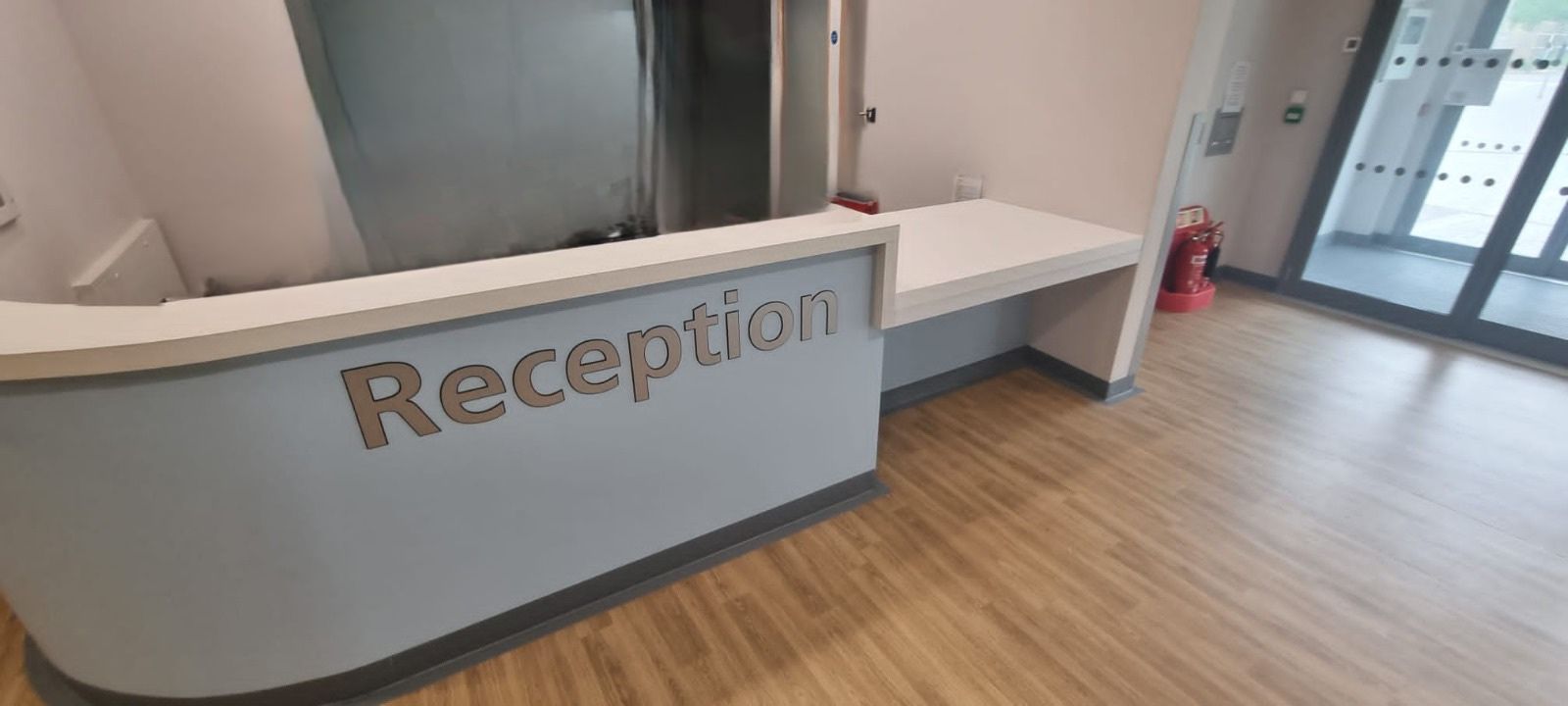
In high-demand care environments, healthcare grade solid surfaces play a much bigger role than simple design finishes. These materials support cleanliness, durability, workflow efficiency, and a more reassuring patient experience. From hospitals and outpatient clinics to dental practices, diagnostic centers, and specialty treatment spaces, every surface choice affects how the facility performs each day.
Hyundai L&C, located at 1760 Corporate Dr., Norcross, Georgia 30093, provides surfacing solutions that fit the growing needs of modern healthcare interiors. In settings where hygiene, resilience, and visual consistency matter, surface materials must do more than look polished on day one. They need to hold up under constant use, frequent cleaning, and the pressure of daily operations. That is why healthcare designers, builders, and facility teams continue to focus on material quality when planning new builds, renovations, and upgrades.
Why Healthcare Grade Solid Surfaces Matter More Today
Healthcare design has changed in a major way over the last several years. Medical spaces are no longer judged only by equipment, staffing, or location. Patients also notice whether the environment feels clean, calm, organized, and professionally maintained. That experience often starts with what they see and touch first, including reception counters, consultation desks, restroom vanities, nurse stations, and treatment room worktops.
This is where healthcare grade solid surfaces stand out. These materials support spaces that must look credible and perform consistently, even in busy environments. In healthcare, a worn or stained surface can affect perception quickly. A clean, durable, and thoughtfully selected surface can reinforce trust before a patient even speaks with a provider.
Strong material choices also help facilities reduce avoidable maintenance issues. When a surface is selected based on performance, not just appearance, it can support long term value, smoother upkeep, and stronger daily function.
What Makes Healthcare Grade Solid Surfaces a Smart Choice
Material selection in healthcare should always connect to real use. A surface may look attractive in a showroom, but clinical and patient-facing environments require more. Decision makers need finishes that can handle demanding routines without losing their appearance or function.
Here are the qualities that make healthcare grade solid surfaces a strong option in medical settings:
- Easy to clean and maintain
- Durable under constant daily use
- Suitable for patient-facing and staff-facing areas
- Visually consistent across different rooms
- Designed to support a professional environment
- Strong long term value for facility investment
These benefits matter because healthcare spaces are active from morning to evening. Staff members move quickly. Patients and visitors pass through shared areas. Cleaning teams work on strict schedules. Surfaces must keep up without becoming a weak point in the facility.
The Role of Surfaces in Patient Confidence
Patients may not know the brand or category of a surface material, but they immediately notice the condition of the environment. A bright, well-kept front desk suggests order and professionalism. A treatment room that looks clean and modern can reduce tension. A bathroom vanity that remains polished despite heavy use helps support a stronger impression of quality care.
This is one reason healthcare grade solid surfaces matter beyond operations. They contribute to emotional response. In healthcare spaces, trust is shaped by both service and setting. Even small visual details can influence whether a patient feels comfortable, safe, and respected.
A healthcare brand works hard to build credibility. Surface materials help support that effort quietly but powerfully. They communicate standards without saying a word.
Best Uses for Healthcare Grade Solid Surfaces
Different areas inside a healthcare facility have different demands, but many of them benefit from the same core qualities. A strong surface should combine practical durability with a clean, modern appearance.
Reception and Front Desk Areas
Reception spaces are often the first point of contact for patients and guests. These counters handle paperwork, devices, daily traffic, and frequent cleaning. Healthcare grade solid surfaces work well in these areas because they help maintain a professional look while supporting daily function.
Exam and Consultation Rooms
Exam rooms need surfaces that stay presentable through repeated use. Providers, staff, and patients all interact with these spaces throughout the day. A durable and easy-to-maintain surface helps support both efficiency and patient comfort.
Nurse Stations and Staff Work Areas
Staff stations are high activity zones. Documents, equipment, and supplies move constantly, which means the work surface needs to stay strong under pressure. Material quality matters here because appearance and performance both affect workflow.
Laboratory Support and Clinical Worktops
Many medical support areas need dependable surfaces that can stay clean looking under more demanding use. Solid surfaces that align with healthcare needs can help facilities maintain a more organized and reliable environment.
Restroom Vanities and Wash Areas
Restrooms shape perception more than many facility teams realize. A clean and polished vanity can improve the overall patient impression of the practice or clinic. In busy environments, durable solid surfaces help these spaces remain more visually consistent over time.
Waiting Rooms and Shared Spaces
Waiting areas, family zones, and public support spaces benefit from materials that reinforce cleanliness and comfort. Since these areas often set the tone of the visit, surface quality becomes part of the larger experience.
Key Benefits of Healthcare Grade Solid Surfaces in Medical Design
A strong surface decision supports more than visual style. In healthcare interiors, the right material can improve both the patient experience and the operational side of the business.
1. Better Hygiene Support
Cleanability is a top priority in healthcare. Surfaces need to fit environments where regular cleaning is part of the daily routine. Materials that support easier upkeep help facilities maintain a more professional and reassuring setting.
2. Stronger Durability
Medical spaces do not stay untouched for long. Front desks, workstations, vanities, and counters all receive repeated contact. Healthcare grade solid surfaces help support these high-use areas by offering long lasting performance.
3. Lower Maintenance Pressure
Facility teams benefit from materials that stay presentable without constant extra attention. Lower maintenance demands can improve efficiency while reducing the visible effects of wear.
4. More Consistent Design Language
Healthcare facilities often need a unified appearance across multiple rooms and departments. Consistent surface materials help create a smoother visual flow from entry areas to treatment spaces.
5. Long Term Value
Budget matters in every healthcare project, but the lowest initial cost does not always create the best outcome. A more dependable material can reduce replacement frequency and support stronger value across the life of the facility.
How to Choose the Right Healthcare Grade Solid Surfaces
Material selection becomes easier when tied to the real needs of the space. Instead of choosing only by color or trend, healthcare teams should evaluate how each area functions every day.
Here are five practical tips for choosing the right surface:
- Study the traffic level of each area
A reception desk, consultation room, and restroom vanity each face different demands. Match the surface to how the space is actually used. - Review cleaning routines early
Cleaning frequency should influence material selection. Surfaces need to support the maintenance reality of the facility. - Balance appearance with performance
A beautiful finish should also be practical. In healthcare, looks alone are never enough. - Think in lifecycle value
Consider durability, maintenance, and replacement timing, not only installation price. - Choose a trusted manufacturer
Material consistency, design reliability, and product quality all support better project results.
Design Trends Driving Demand for Better Healthcare Surfaces
Healthcare interiors have moved toward a more patient-centered approach. Many facilities want spaces that feel less cold and more welcoming, while still maintaining professional standards. This has increased demand for surfaces that combine function with visual warmth and modern design appeal.
Today, healthcare designers often look for:
- Clean and contemporary finishes
- Materials that support calm interiors
- Strong durability in patient-facing areas
- Reliable performance across multiple departments
- Design consistency that improves brand presentation
Because of this shift, healthcare grade solid surfaces are now part of a much larger conversation. They are no longer seen as background materials only. They help shape how healthcare brands present themselves in a competitive market.
Why Surface Quality Affects Operations
Surface materials influence daily operations in ways that are easy to underestimate. A poor choice can lead to faster wear, harder cleaning, more visible aging, and more frequent replacement needs. A better choice can support smoother maintenance, cleaner presentation, and fewer disruptions over time.
This means surface quality is not just a design decision. It is also an operational decision. Healthcare leaders focused on patient satisfaction, facility standards, and long term efficiency should treat material selection as a meaningful part of planning.
When surfaces perform well, they support the entire environment quietly. Staff can work more confidently. Patients can feel more at ease. The facility can maintain a higher standard without constant visible decline.
Why Hyundai L&C Fits Healthcare Interior Needs
Hyundai L&C continues to stand out as a strong choice for projects that need both visual appeal and dependable performance. In healthcare settings, that combination matters. Decision makers often need materials that support strict daily use while still helping the space look modern, clean, and credible.
For architects, interior designers, builders, and procurement teams, choosing the right brand can reduce uncertainty during the specification process. A trusted surface source helps support confidence in both appearance and performance. Hyundai L&C brings value to healthcare environments where strong finishes need to do more than simply complete the design.
Located at 1760 Corporate Dr., Norcross, Georgia 30093, Hyundai L&C serves projects that require thoughtful material choices for real-world use. In medical design, that practical reliability can make a measurable difference.
Conclusion
The value of healthcare grade solid surfaces goes far beyond appearance. These materials help support clean, durable, and reassuring environments where patients receive care and staff perform critical work every day. From reception counters and exam room worktops to vanities, nurse stations, and shared spaces, the right surface can strengthen both operations and patient perception. Hyundai L&C offers surfacing solutions that align with the needs of modern healthcare interiors, where durability, cleanliness, and professional design all matter. Visit https://hyundailncusa.com/ to explore surface options built for healthcare environments that demand lasting performance.