
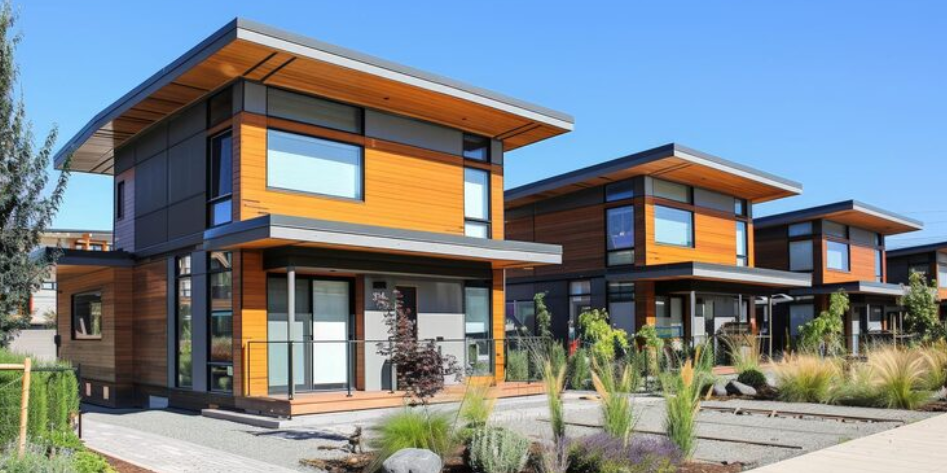
Buying a home is a major goal for many people, but traditional home construction can take months or even longer. Delays in planning, material delivery, weather, and labor can make the process difficult to manage. Prefabricated homes provide an alternative approach that can make construction faster and more organized. Much of the home is built in a factory before being transported to the property and assembled.
What Are Prefabricated Homes?
Prefabricated homes are houses or home components that are manufactured in a controlled factory environment instead of being built entirely at the final property. Different sections are constructed according to a planned design and are then transported to the building site. Once they arrive, the sections are assembled and connected to the prepared foundation.
This method can make the construction process more efficient because many tasks can be completed indoors. Factory workers can follow consistent procedures while materials and equipment are kept in an organized setting. Depending on the design, prefabricated homes can also be customized to meet different space, style, and lifestyle needs.
Faster Construction Process
One of the biggest benefits of prefabricated homes is the potential for faster construction. With traditional building, many stages need to be completed one after another. Factory construction can allow several tasks to happen at the same time.
For example, while the foundation is being prepared at the property, workers can be constructing the main sections of the home at the factory. Once both are ready, the components can be brought together for final assembly. This can significantly shorten the time between starting construction and being ready to move in.
Fewer Weather-Related Delays
Weather can cause major interruptions during traditional home construction. Heavy rain, snow, extreme heat, or strong winds may prevent workers from completing certain outdoor tasks. Since much of the construction of prefabricated homes takes place indoors, weather has less effect on the manufacturing stage.
This controlled environment can help maintain a more predictable production schedule. However, site preparation, transportation, foundation work, and other outdoor activities can still be affected by local weather conditions.
More Predictable Costs
Prefabricated construction can also make some project costs easier to plan. Since many materials and components are prepared in a controlled facility, there may be less material waste and fewer unexpected changes during construction.
The final cost will depend on factors such as the home’s size, design, materials, transportation, foundation, land, permits, and utility connections. Buyers should therefore review the complete project estimate before choosing a home.
Flexible Designs and Features
Modern prefabricated homes are available in a wide range of designs. Homebuyers can find options with different floor plans, room sizes, exterior styles, and interior features. Some designs are compact and practical, while others provide more space for growing families.
This flexibility makes prefabricated construction suitable for people with different budgets and housing requirements. Buyers can focus on finding a design that fits their lifestyle while also considering the size and location of their property.
A Simpler Route to Homeownership
For people who want to own a home without going through a lengthy traditional construction process, prefabricated homes can be an appealing option. Their factory-based construction, shorter building timelines, and variety of designs can make the path to moving into a new home more manageable.
Before making a purchase, it is important to research local building regulations, financing requirements, installation costs, warranties, and land preparation needs. Understanding these factors can help buyers make a more informed decision.
Conclusion
Prefabricated homes can provide a faster and more organized approach to building a new home. By completing much of the construction in a factory, the process can reduce certain delays and allow different stages of the project to progress at the same time. With careful planning and research, this approach can help many buyers move toward homeownership more efficiently.