
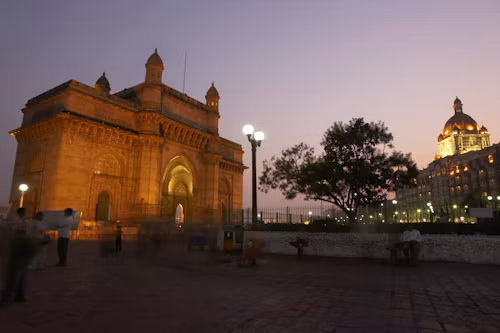
A first trip to Mumbai usually follows an established plan. People visit the Gateway of India, Marine Drive and the Taj Mahal Palace. Indeed, these points of interest are spectacular. However, they only show one face of a wonderful city of more than twelve million citizens.
Mumbai is situated on a set of islands which merge. It is surrounded by the Arabian Sea to the west and a big bay to the east. This particular shape of the city gives rise to many explanations. Although distances might seem small on the map, due to traffic, the actual travel time varies, and the railway system becomes a main part of daily life.
In this three-day plan, there is no mention of the main attractions. It covers the central area of Mumbai first, then the older southern area, and lastly, the northern and western ends of the city. Each day focuses on a specific area to minimise the time spent in traffic.
Mumbai day one from Matunga to Dadar
The first day can start with Matunga, which is a peaceful South Indian part of the city and is located on the central railway line. The famous Madras café is situated here and serves good idli and dosa. The place is crowded, but the service is quick. If there is no room in the café, try the nearby Mysore café.
From Matunga, Dadar is one stop by train. The flower market starts before sunrise and is at its best before nine. After that, the best stalls begin to thin out. Marigolds, roses and jasmine are sold by weight, and the whole area smells of them.
The afternoon can end at Shivaji Park. Cricket matches run on nearly every patch of ground, and the park gives a good sense of Mumbai’s recreational activities.
Mumbai day two around Girgaon
The second day moves to South Mumbai, but away from the postcard spots. Begin at Mani Bhavan in Gamdevi. Mahatma Gandhi stayed in this modest house between 1917 and 1934. It is calm inside, and the small library upstairs deserves a slow look.
Starting there, walk towards Khotachiwadi at Girgaon. It is a collection of wooden houses belonging to the Portuguese squeezed between tall new apartments. Streets are narrow, and houses are private, so keep your voice down and the camera hidden.
In the afternoon, head up to Malabar Hill and find Banganga Tank. The ancient stone water tank is ringed by temples and steep steps. Local families still come here to spend time. It is one of the few places in South Mumbai where traffic noise fades almost completely. Late afternoon light makes the stone steps look warm and soft.
Mumbai day three in Bandra or Kanheri
The last day depends on what kind of pace you want. Both options work, and neither needs a full day.
To feel the ambience of this city, visit the old streets of Bandra. Go up Mount Mary steps and walk through Chapel Road and the villages of Ranwar. There are small bakeries, painted murals and old bungalows with shaded porches. Bandstand is better skipped at sunset if you want some quiet time.
To experience nature, take a train to Borivali to visit Kanheri Caves in Sanjay Gandhi National Park. The caves carved in rock are more than two thousand years old, with over a hundred caves. Some parts of the path are shaded, but there will be monkeys along the way. Carry water and wear good shoes, as the ground is uneven.
Hotels in Mumbai for this route
Where you stay shapes how easy this plan feels. Mumbai is long and narrow, and trains run north to south, so being close to a railway station matters more than being close to the sea.
Hotels in Mumbai near Dadar suit this itinerary well. The area has strong links to both South Mumbai and the suburbs, and Matunga is only a short ride away. Fort and Girgaon work if you prefer older streets and shorter walks on day two. Hotels in Mumbai near Bandra suit travellers who want quieter evenings and easier road access to the airport.
Mumbai after the checklist is gone
This version of the city requires you to walk more and tick off less. You will not manage to see everything, but that is alright. After the third evening, you usually start to understand the city.