

The lab is already a dangerous environment. That needs to be maintained for the safety of the people associated with it. Additionally, proper maintenance ensures your lab runs smoothly, efficiently, and productively. Safety protocols also help eliminate the risk of errors and hazards to personnel. Therefore, to enhance both efficiency and safety, implementing specific policies is crucial.
In this article, we’ll explore four tips to maintain a clean and safe environment.
Importance of Maintaining a Safe Laboratory Environment
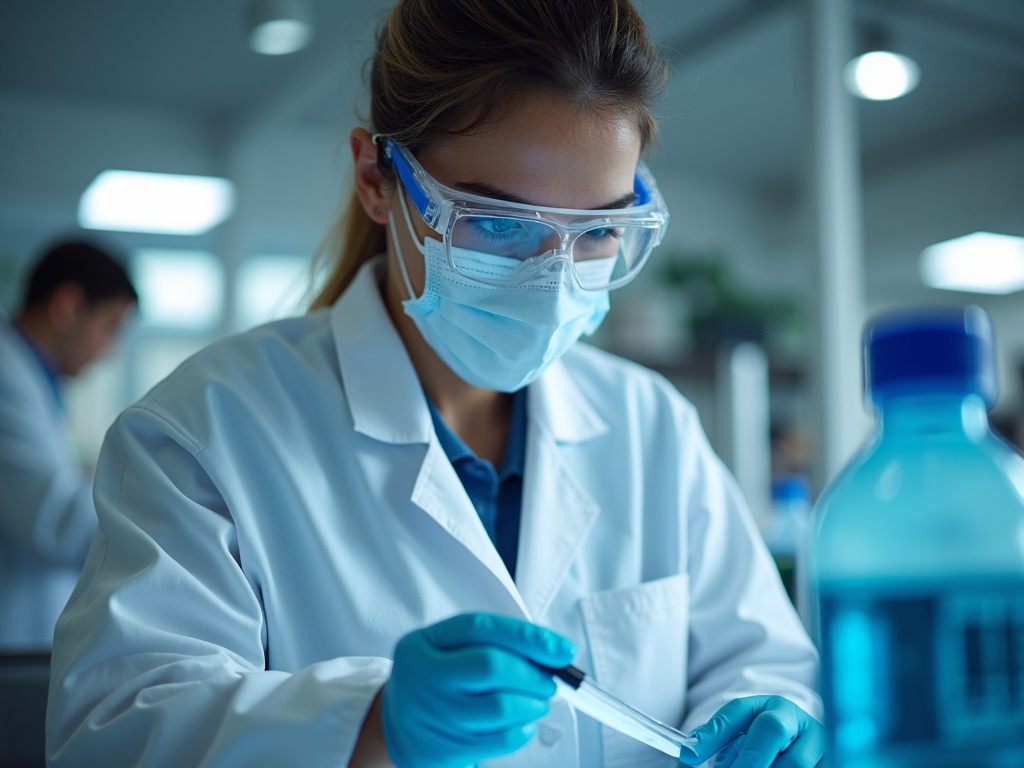
A laboratory is a very risky place, so maintaining a safe environment is crucial for protecting personnel from injury and illness. This helps to maintain the integrity and accuracy of research results, preventing environmental contamination and safeguarding public health.
It achieves this by maintaining safety protocols, using personal protective equipment, and handling chemicals safely. Additionally, properly disposing of waste and following emergency procedures are essential safety processes.
The role of laboratory Extraction Arms Improves Air Quality
Laboratory extraction arms enhance air quality by capturing airborne contaminants, such as fumes, dust, and vapors, directly at their point of origin. They help to prevent them from spreading throughout the workspace and being inhaled by workers.
This system mitigates risks associated with hazardous substances, providing a safer and more productive work environment. They are also energy-efficient and help to maintain compliance with safety and air quality regulations.
4 tips for Cleaning your Lab
Here are some practical tips that will help you in maintaining a clean and safe space:
- Schedule Cleaning Time
A well-maintained schedule or checklist allows team members to know when and what to clean. Scheduling the time to avoid doesn’t allow for excuses to be made or cleaning to be missed. Laboratory Management enables you to manage and schedule cleaning tasks in advance. This allows you to assign staff members and assess them.
- Clean Regularly
As regular home cleaning is essential to maintain a clean home, regular laboratory cleaning is even more crucial. Regular laboratory cleaning means you can stay on top of it, making it a lot easier to manage. This also helps minimize the risk of health hazards. Cleaning includes washing equipment after use, ensuring benches are always clean, and disposing of waste.
- Use the Right Tools
Choosing the right tools for a lab cleaning includes personal protective equipment (PPE), such as gloves and goggles. The right cleaning instruments, such as brushes and clothes, also come in protective equipment. You’ll also need suitable cleaning agents, such as detergents, solvents, or disinfectants.
- Eliminate Waste
Eliminating the waste and disposing of it correctly is essential, especially any hazardous or clinical waste. This process focuses on reducing, reusing, and recycling by switching to reusable glassware, using less-hazardous chemicals, and improving waste segregation.
Other key strategies include minimizing the use of single-use items, such as gloves and pipette tips, and optimizing experiment planning. Moreover, ensuring that proper waste disposal protocols are strictly followed.
In the end, scheduling cleaning can be overwhelming. However, all of your hard work, following the tips mentioned above, helps to maintain a clean and safe environment.