
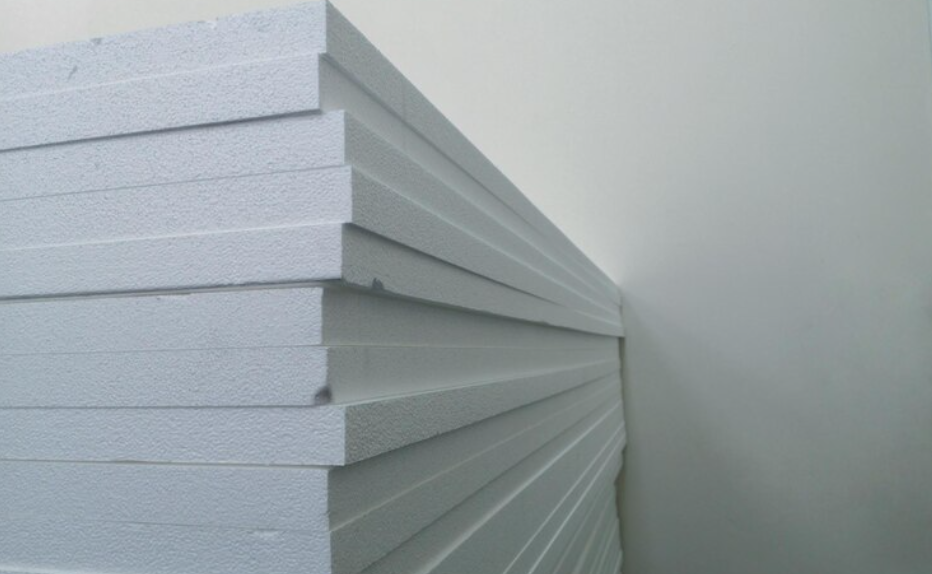
Modern construction projects often need materials that are lightweight, reliable, and easy to handle. ASTM D6817 geofoam is one such material that can support stable and efficient construction in a wide range of applications. Made from expanded polystyrene (EPS), geofoam is designed to provide predictable performance while reducing the weight placed on the ground and other structures. Its combination of low weight, strength, and flexibility makes it useful for projects where traditional fill materials may create additional challenges.
What Is ASTM D6817 Geofoam?
ASTM D6817 geofoam refers to EPS products manufactured and tested according to the ASTM D6817 standard. This standard helps define important properties of geofoam, including density, compressive resistance, and other performance characteristics. These specifications allow construction professionals to select a product that matches the needs of a particular project.
Because ASTM D6817 geofoam is lightweight, it can be transported and positioned more easily than many conventional fill materials. At the same time, its engineered properties make it suitable for applications where controlled performance is important.
Reducing Loads on the Ground
One of the major benefits of ASTM D6817 geofoam is its very low weight. Conventional soil and aggregate can add significant loads to the ground, which may be a concern when construction takes place over weak or compressible soils. Replacing some of this heavy fill with geofoam can reduce the overall load placed on the underlying soil.
This can help limit settlement and make it easier to create stable grades. In areas with challenging soil conditions, ASTM D6817 geofoam can therefore become an important part of a carefully designed foundation or roadway system.
Supporting Efficient Construction
Construction efficiency is another important advantage of ASTM D6817 geofoam. Its lightweight nature means that large blocks can often be moved and installed with less effort than heavy fill materials. This can reduce the amount of time required for certain earthwork activities.
Geofoam can also be cut into specific shapes and sizes to fit project requirements. This flexibility is useful when working around existing structures, utilities, slopes, or other site features. Faster handling and easier placement can help construction teams maintain progress while reducing unnecessary material movement.
Improving Stability Around Structures
ASTM D6817 geofoam can also be used where reducing pressure on structures is important. For example, lightweight fill may be incorporated behind retaining walls or around certain infrastructure components. By reducing the weight of the fill, it can help lower the lateral and vertical loads that would otherwise be created by heavier materials.
Proper engineering remains essential because the required geofoam properties depend on factors such as expected loads, soil conditions, drainage, and the intended application. Selecting ASTM D6817 geofoam with suitable characteristics helps ensure that the material performs as part of the overall design.
Applications in Modern Construction
The versatility of ASTM D6817 geofoam allows it to be considered for several construction applications. It may be used for roadway approaches, bridge approaches, landscaping features, embankments, floor elevation, and other lightweight fill projects. It can be particularly useful where reducing settlement or improving construction speed is a priority.
Its predictable properties also make planning easier. Engineers can account for the material’s characteristics during design rather than relying on variable properties that may occur with natural fill.
Conclusion
ASTM D6817 geofoam provides a practical approach to many construction challenges by combining low weight with engineered performance. It can reduce loads on weak soils, simplify material handling, support stable structures, and improve construction efficiency. When properly selected, designed, and installed, ASTM D6817 geofoam can contribute to durable and well-planned construction projects while helping teams manage demanding site conditions more effectively.