
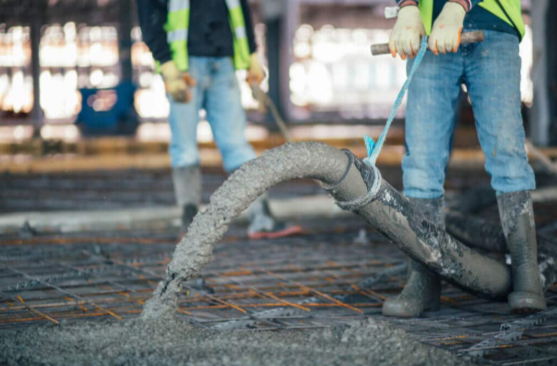
Concrete quietly forms the backbone of modern construction, holding together homes, commercial spaces, and public infrastructure without drawing attention to itself. The true strength of a project often depends on selecting the right concrete grade for the job rather than choosing a generic option. Projects that face heavier loads, frequent use, or outdoor exposure require a mix that offers more than basic performance. C35 Concrete answers that requirement with a proven balance of strength, durability, and adaptability.
It is widely trusted across residential, commercial, and civil projects where reliability matters as much as cost efficiency.
What is C35 Concrete?
It is a high-strength structural concrete grade designed for construction work where durability and load-bearing capacity are essential. It achieves a compressive strength of 35 newtons per square millimetre after curing, making it suitable for projects that experience constant stress, heavy use, or exposure to outdoor conditions. This concrete grade is widely specified for both residential and commercial builds where long-term structural performance is a priority rather than a decorative finish.
It is commonly selected for applications such as:
- Structural foundations and ground beams supporting buildings
- Load-bearing floor slabs and suspended slabs
- Driveways and external paving exposed to vehicle traffic
- Commercial and industrial flooring systems
- Reinforced concrete elements require consistent strength and durability
This combination of strength, versatility, and reliability explains why it is frequently used in projects where safety, lifespan, and performance cannot be compromised.
Understanding the Strength Class of C35 Concrete
Concrete strength classes indicate how much pressure the material can withstand after curing. The designation C35 refers to a compressive strength of 35 newtons per square millimetre after 28 days of curing. This strength level places it above standard domestic concrete grades and makes it suitable for structural components.
This classification also reflects strict quality control during batching and production. Consistency in material proportions and curing conditions ensures predictable results, which is especially important in load-bearing and exposed applications.
Key Properties That Define C35 Concrete
It offers a combination of physical and performance-based characteristics that set it apart from lower-strength mixes.
Compressive Strength and Load Resistance
The high compressive strength allows this concrete to support significant static and dynamic loads. Structural elements made from this mix resist deformation and cracking under sustained pressure.
Key advantages include:
- Reliable performance in load-bearing slabs and beams
- Improved resistance to heavy vehicle traffic
- Reduced risk of structural fatigue over time
Durability in External Conditions
Durability plays a major role in concrete selection. This grade performs well in environments exposed to moisture, temperature variation, and surface abrasion. Proper curing further enhances resistance to surface wear and weather-related damage.
Reinforcement Compatibility
Reinforced concrete structures depend on a strong bond between steel reinforcement and the surrounding material. C35 provides excellent adhesion, ensuring reinforced components maintain strength and stability throughout their lifespan.
Residential Construction Applications
Residential projects often rely on this concrete grade when higher performance is required below ground or in load-bearing areas.
Foundations and Ground Beams
Foundations must distribute building loads evenly into the soil. Using a higher-strength concrete helps prevent settlement and cracking, particularly for multi-story homes or extensions.
Typical residential foundation uses include:
- Strip and raft foundations
- Ground beams supporting walls
- Structural bases on variable soil conditions
Driveways and Garage Floors
Vehicle movement places repeated stress on concrete surfaces. Driveways and garage floors built with this grade maintain their integrity under daily use and resist surface deterioration over time.
Structural Floor Slabs
Suspended and ground bearing slabs benefit from the added strength. These slabs support internal walls, furniture, and occupant loads while reducing long-term maintenance needs.
Commercial and Industrial Uses
Commercial construction demands materials that perform consistently under frequent use and higher loads.
Commercial Flooring Systems
Warehouses, workshops, and retail spaces often specify this concrete grade for flooring due to its strength and surface durability. It supports heavy shelving, machinery, and foot traffic without premature failure.
Key benefits for commercial floors include:
- Improved load distribution
- Reduced surface cracking
- Longer service life with minimal repairs
Structural Columns and Beams
Columns and beams form the structural framework of commercial buildings. Using a higher-strength concrete allows for efficient structural design while maintaining safety margins.
External Hardstandings
Service yards, loading bays, and access routes require concrete that can withstand repeated vehicle loading. This mix provides the durability needed for these demanding environments.
Infrastructure and Public Works Applications
Public infrastructure projects rely on materials that meet strict performance standards.
Pavements and Road Bases
Concrete pavements and bases benefit from higher compressive strength, particularly in high-traffic areas. This reduces long term maintenance and improves safety.
Drainage and Utility Structures
Drainage channels, inspection chambers, and culverts require concrete that resists moisture and pressure. Properly designed pours ensure durability in these applications.
Secondary Structural Components
While major bridges may require higher grades, this concrete is commonly used for supporting elements that experience moderate loads while still requiring dependable strength.
Comparing C35 Concrete to Other Grades
Understanding how concrete grades differ helps ensure the right material choice. Lower grades are suitable for non-structural uses, while higher grades may introduce unnecessary cost and complexity.
C35 offers:
- Greater strength than basic residential mixes
- Better durability for outdoor and structural uses
- A balance between performance and workability
This balance makes it a practical choice for many construction scenarios.
Factors That Influence On-Site Performance
Even the best concrete mix requires proper handling to achieve its full potential.
Important factors include:
- Accurate batching and controlled mixing
- Correct placement and compaction
- Adequate curing and protection from early loading
Attention to these steps ensures the concrete reaches its intended strength and durability.
The Importance of Mix Design and Ratios
Concrete performance depends heavily on how materials are proportioned. Concrete mix ratios define the relationship between cement, aggregates, and water, directly affecting strength and durability.
For C35 applications, the mix design focuses on:
- Sufficient cement content for strength development
- Well-graded aggregates to reduce voids
- Controlled water content to limit porosity
These elements work together to create a dependable structural material.
Longevity and Sustainability Benefits
Using a durable concrete grade contributes to sustainability through extended service life. Structures last longer, require fewer repairs, and consume fewer resources over time. Long-lasting concrete also enhances safety by maintaining structural integrity under regular use and environmental exposure.
Practical Considerations When Choosing C35 Concrete
Selecting the right concrete grade involves matching material performance to project requirements.
Key considerations include:
- Load-bearing requirements
- Environmental exposure
- Compliance with engineering specifications
Professional guidance ensures efficient material use without overengineering.
Takeaway
C35 concrete is a reliable choice for structural and external construction projects that demand strength and durability. Its balanced performance makes it suitable for foundations, slabs, commercial floors, and infrastructure components. When specified correctly and installed with care, this concrete grade delivers long-term value, safety, and consistent performance.
Suppliers like Pro-Mix Concrete deliver high-quality ready mix solutions designed for strength, consistency, and reliability. With professional batching standards and dependable supply, this brand supports construction projects of all sizes.
Request a Quote: 020 7458 4747
Frequently Asked Questions
What is C35 concrete typically used for?
It is typically used for commercial building foundations, structural piling, heavy‑duty industrial slabs, external pavements, and reinforced bases where high load‑bearing capacity and durability are required.
Can C35 concrete be used for house foundations?
Yes, it can be used for domestic foundations, especially where soil conditions are poor, loads are higher than average, or long‑term durability and reduced maintenance are priorities.
Is C35 concrete suitable for driveways and pavements?
C35 is suitable for heavy‑duty driveways, external slabs, and pavements that carry frequent vehicle traffic, including vans and lorries, because its high strength resists abrasion and repeated loading.
Is C35 concrete only for commercial projects?
No, it is not limited to commercial work; it is also chosen for demanding domestic projects like deep foundations, retaining walls, and heavy‑traffic driveways needing extra strength and durability.
When should you choose C35 instead of lower grades?
Choose C35 instead of lower grades when structures face heavy loads, aggressive environments, or poor ground conditions, such as multi‑storey foundations, industrial yards, agricultural bases, and water‑retaining structures.