
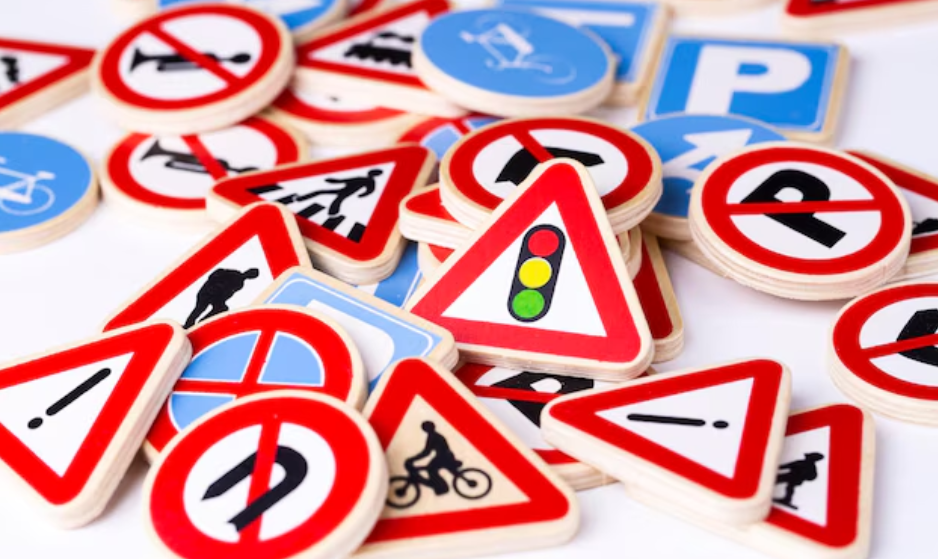
Road safety is a concern for everyone who uses streets, whether as drivers, pedestrians, or cyclists. One of the simplest but most effective tools to ensure safety on roads is traffic signs. These signs guide people, provide important information, and prevent accidents by helping everyone follow the rules of the road. Understanding how traffic signs work and why they are important can help make streets safer for all.
The Purpose of Traffic Signs
Traffic signs are designed to communicate important information quickly and clearly. They can warn of potential dangers, direct traffic flow, or inform drivers of regulations. For example, a stop sign tells drivers to pause and check for other vehicles or pedestrians, while a speed limit sign ensures that vehicles travel at safe speeds. Without traffic signs, roads would be chaotic, and accidents would be more likely to happen.
How Traffic Signs Prevent Accidents
One of the main ways traffic signs make roads safer is by preventing accidents. Warning signs, like those indicating sharp turns or slippery roads, allow drivers to react in time and adjust their speed. Regulatory signs, such as no-entry or yield signs, help control traffic movement and avoid collisions. Even simple signs like pedestrian crossings remind drivers to be careful, reducing the risk of harm to people walking along or across roads.
Helping Drivers Make Better Decisions
Traffic signs also help drivers make better decisions on the road. Clear instructions on signs can reduce confusion and hesitation, which are common causes of accidents. For instance, a lane merge sign lets drivers know in advance that they need to change lanes safely. Similarly, directional signs guide people to their destinations without sudden turns or stops, making traffic smoother and safer for everyone.
Assisting Pedestrians and Cyclists
Traffic signs are not just for drivers; they are important for pedestrians and cyclists as well. Crosswalk signs, bicycle lane markers, and school zone warnings help non-motorized road users navigate safely. These signs remind everyone to be alert and follow rules, reducing conflicts between vehicles and pedestrians or cyclists. When people understand and follow traffic signs, it creates a safer environment for everyone on the road.
Educating Road Users
Another important role of traffic signs is education. For new drivers, signs provide essential information about road rules and safe driving practices. Even experienced drivers benefit from reminders about speed limits, construction zones, or one-way streets. Over time, consistent exposure to traffic signs helps people develop better habits and reinforces the importance of road safety.
Maintaining Order on Busy Roads
In busy cities or highways, traffic signs help maintain order and prevent traffic jams. Signs that indicate lanes, turns, and exits help vehicles move smoothly, reducing frustration and risky driving behavior. Well-placed signs can also alert drivers to upcoming hazards or changes in road conditions, making it easier to navigate without accidents. In this way, traffic signs support both safety and efficiency on the roads.
The Role of Visibility and Design
The effectiveness of traffic signs depends on their visibility and design. Bright colors, reflective surfaces, and clear symbols ensure that signs can be seen and understood quickly. Well-maintained signs that are free from damage, dirt, or obstruction are also essential. When traffic signs are easy to read and interpret, they serve their purpose effectively and help everyone on the road stay safe.
Conclusion
Traffic signs play a critical role in making roads safer for everyone. By providing guidance, preventing accidents, educating users, and maintaining order, these signs create an organized and secure environment on the streets. Drivers, pedestrians, and cyclists all benefit from understanding and respecting traffic signs. Simple attention to these signs can reduce accidents, save lives, and make travel smoother and more predictable for everyone. Following traffic signs is not just a legal responsibility; it is a step toward a safer road for all.