
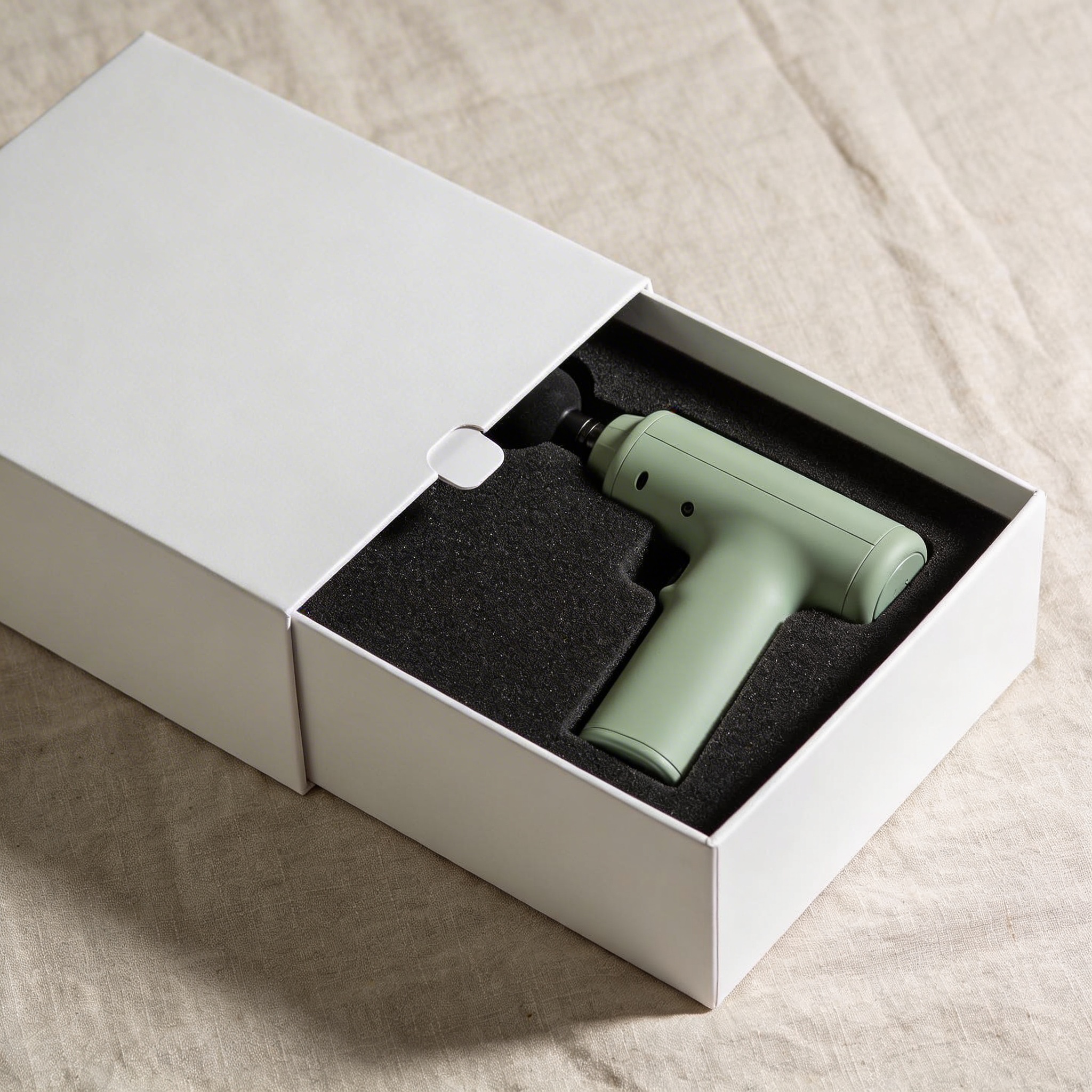
In the fast-evolving world of aesthetic treatments, collagen stimulation has become a central focus for achieving firmer, smoother, and younger-looking skin. Among the most discussed options today are traditional microneedling and the increasingly popular 膠原槍. While both aim to boost collagen production, they differ significantly in technology, comfort level, recovery time, and overall results. Understanding these differences can help individuals choose the most suitable treatment for their skin goals.
Understanding Traditional Microneedling
Microneedling, sometimes called collagen induction therapy, uses fine needles to create tiny punctures in the skin. These micro-injuries trigger the body’s natural healing response, encouraging collagen and elastin production. Over time, this process can reduce fine lines, acne scars, and uneven texture.
The treatment is effective and widely used, but because it physically penetrates the skin’s surface, temporary redness, swelling, and sensitivity are common. Recovery may take several days depending on the intensity of the session. While results can be impressive, the visible healing process is something many clients must plan around.
What Is a Collagen Gun?
The 膠原槍 represents a newer generation of collagen-stimulating technology. Instead of relying solely on needles to puncture the skin, it uses advanced energy-based mechanisms to stimulate deeper layers of the dermis with greater precision and minimal surface disruption. The goal remains the same: activate fibroblasts and encourage natural collagen regeneration.
However, the method of delivery is less invasive compared to traditional microneedling. This difference plays a major role in comfort, downtime, and treatment customization.
Key Differences in Technology
The primary distinction between microneedling and 膠原槍 lies in how collagen production is triggered. Microneedling depends on controlled physical micro-injuries, while the collagen gun uses targeted energy stimulation to initiate the repair process beneath the surface.
Because the 膠原槍 focuses on deeper dermal layers without extensive surface trauma, clients typically experience less redness and irritation. This makes it appealing to individuals who prefer minimal downtime or have sensitive skin.
Additionally, the energy delivery system allows practitioners to adjust intensity with high precision, tailoring treatments to specific concerns such as skin laxity, enlarged pores, or fine lines.
Comfort and Downtime Comparison
Comfort is a major factor for many patients. Microneedling can cause mild discomfort during the procedure, though numbing cream is usually applied. Post-treatment, the skin may appear red and feel tender for a few days.
In contrast, 膠原槍 sessions are often described as producing a warm or tingling sensation rather than sharp discomfort. Because the outer layer of skin remains largely intact, most clients resume daily activities immediately after the appointment.
For busy professionals or individuals who prefer subtle recovery periods, this difference can be a deciding factor.
Results and Long-Term Benefits
Both treatments aim to enhance skin quality by stimulating collagen production, but their outcomes may vary depending on individual skin conditions and treatment plans.
Microneedling is particularly effective for acne scars and textural irregularities. Meanwhile, the 膠原槍 excels in improving skin firmness and mild sagging by delivering deeper dermal stimulation. Results from the collagen gun often appear gradually over several weeks as new collagen fibers develop and strengthen the skin structure.
Many aesthetic professionals consider energy-based collagen stimulation to provide longer-lasting tightening effects due to its ability to reach structural layers beneath the surface.
Suitability for Different Skin Types
Another important consideration is skin sensitivity and pigmentation concerns. Since microneedling involves direct penetration, individuals with highly reactive skin may experience temporary inflammation.
The 膠原槍, with its controlled energy delivery, reduces the risk of post-inflammatory pigmentation and irritation. This makes it suitable for a broader range of skin tones and conditions.
Consultation with a qualified practitioner remains essential to determine which method aligns best with personal goals and medical history.
Choosing the Right Option
Ultimately, both treatments support natural collagen regeneration and healthier-looking skin. The choice depends on priorities such as downtime, comfort, specific skin concerns, and desired intensity.
For those seeking advanced technology with minimal disruption, the 膠原槍 offers a modern alternative to traditional microneedling. As innovation continues to refine non-invasive procedures, energy-based collagen stimulation is rapidly redefining the future of aesthetic treatments.