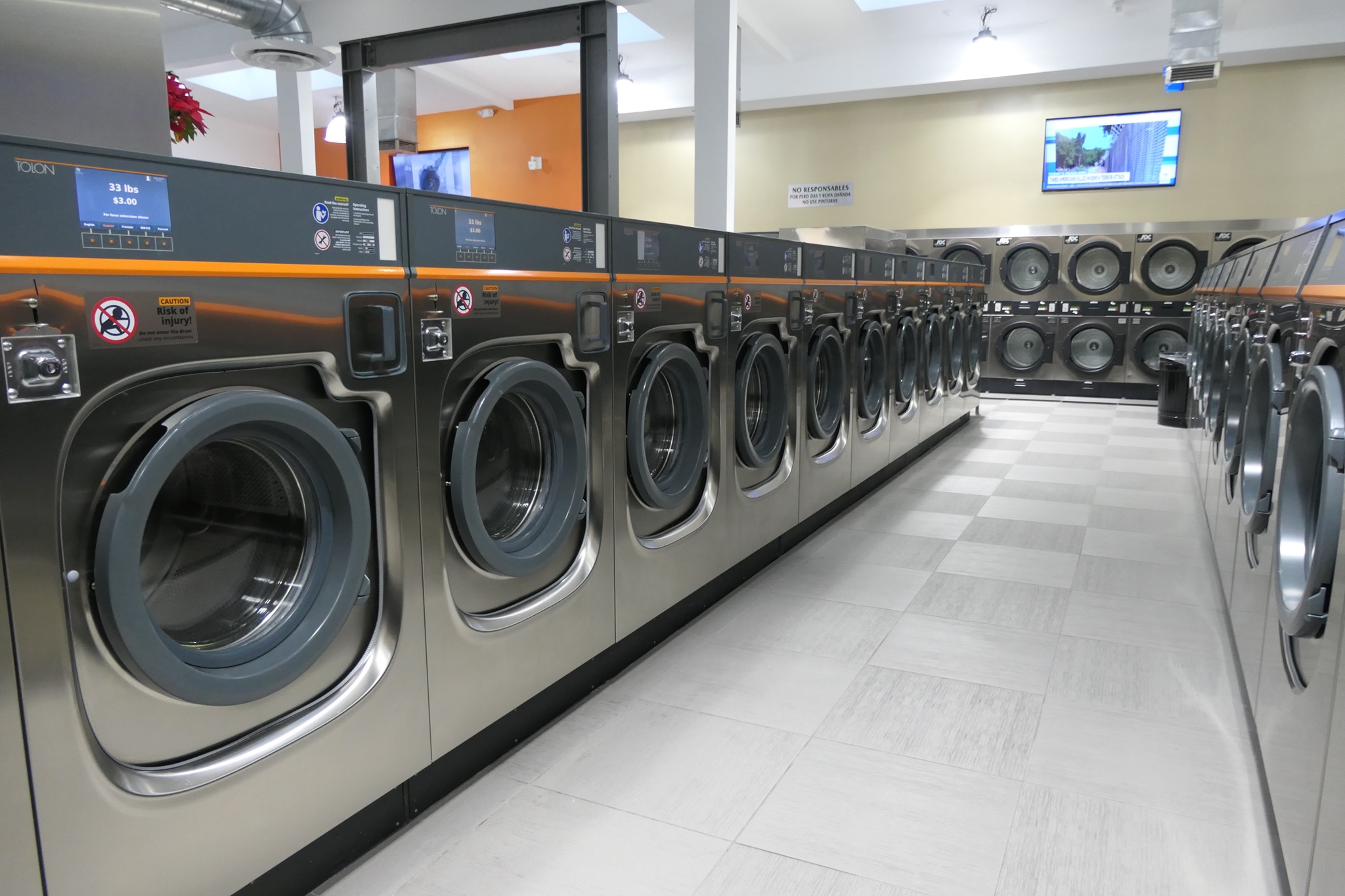
The heavy-duty washers and dryers we use today are built like tanks and it isn’t rare to see them chugging along for ten or fifteen years. But even the best tanks need a new tread every once in a while. The tricky part for most owners right now is avoiding the trap of buying “mystery parts” from random websites that might actually do more damage than good.
If you want your equipment to survive the daily grind of a busy neighborhood, you have to be picky about what you put inside it. Using the right, high-quality bits and pieces is the only way to keep your business running smoothly without constant breakdowns.
Key Takeaways
- Stick to the Real Stuff: Always try to get parts made by the original builder to make sure everything stays safe and lasts as long as possible.
- ID Your Machine: You need to find that little metal plate with the model and serial numbers before you even start looking for a fix.
- Find a Local Pro: It’s way better to work with a real distributor who knows these machines inside and out rather than a giant, nameless online warehouse.
- Keep a “Emergency Box”: Having a few extra belts, knobs and seals on a shelf in the back can turn a two-day disaster into a ten-minute fix.
- Go Digital: If you’re upgrading, make sure your new parts play nice with phone apps and card readers so your customers can actually pay you.
Tips for Finding Replacement Parts for Vended Laundry Equipment
If you are ready to get that broken machine back in the lineup, here are the best ways to track down exactly what you need.
1. Dig Up the Model and Serial Numbers
You can’t just guess when it comes to industrial gear. I always tell people to grab a flashlight and find that data plate first. It’s usually hidden somewhere like the door frame or tucked away on the back panel near the plug. Write down every single letter and number you see. One tiny digit being different could mean you end up ordering a water valve that won’t even screw into your specific model.
2. Don’t Cheap Out on Generic Parts
It is so tempting to grab a five-dollar version of a twenty-dollar part but that usually bites you in the end. Those off-brand parts aren’t made to the same strict rules as the originals. If a fake part fails and fries your motor, you’re looking at a massive bill that could have been avoided. Keeping things “factory spec” means your warranty stays valid and your machine stays happy.
3. Study the Blueprints
Most of these machines have “exploded view” diagrams available if you know where to look. They look like a giant 3D puzzle that shows every single screw and washer. Looking at these spec sheets helps you see how the parts actually fit together. It’s a lifesaver when you’re trying to figure out if you just need a small spring or the entire handle assembly.
4. Talk to Someone Who Lives and Breathes This Stuff
There is a massive advantage to calling up a shop that actually specializes in vended laundry equipment in Dallas if you happen to be in the Texas area. These folks aren’t just reading off a screen; they know which parts fail most often and can give you advice that saves you a ton of time. A local expert is going to care a lot more about your uptime than some guy in a call center halfway across the country.
5. See if Parts Swap Between Models
A little secret in the industry is that manufacturers often use the same pump or belt across five or six different models. If the specific part you’re looking for is out of stock, don’t give up yet. A smart parts person can usually look through their list and find a compatible version from a sister model that will get you back in business that same day.
6. Remember the Computer Bits Too
Laundry isn’t just about soapy water anymore; it’s about software and circuit boards. If you are maintaining cashless vended laundry equipment, you need to make sure your parts provider understands the digital side of things. Card readers and touchscreens need a different kind of care than a drum bearing, so make sure you’re getting components that are compatible with your specific payment system.
7. Decide How Fast You Really Need It
We’ve all been there—a machine starts making a sound like a plane taking off but it still gets the clothes clean. In that case, you have time to shop around and find the best price. But if water is pouring out onto the floor? You pay whatever it takes to get that part delivered overnight. Always weigh the cost of a “dead” machine against the cost of fast shipping.
8. Look for Other Problems While You’re In There
Since you already have the machine pulled apart to fix a leaky hose, you might as well check the belts and the wires. It’s much smarter to replace a worn-out belt now for ten bucks than to wait for it to snap next week and have to do the whole job over again. Think of it like a “tune-up” every time you do a repair.
9. Ask About Paying Over Time
Let’s be honest, some parts—like a whole new computer board or a giant motor—can cost a small fortune. Before you freak out about the price, ask your distributor if they have any financing plans. Many of them are happy to let you pay in chunks which keeps your bank account from hitting zero while you’re trying to keep the doors open.
10. Double Check the “Wait, This Is Wrong” Policy
Even the pros order the wrong thing once in a while. Before you hit that checkout button, make sure you can actually send the part back if it doesn’t fit. Some places are really picky about returns on electrical parts, especially. Having a reliable source for vended laundry equipment means you can sleep a little easier knowing they’ve got your back if the part you bought isn’t quite right.
Conclusion
At the end of the day, your laundry room is only as good as the parts keeping it together. Taking the time to find the right components isn’t just “maintenance”—it’s an investment in your own peace of mind.
When you focus on quality and build a relationship with a local parts pro, you stop worrying about breakdowns and start focusing on your customers. Good luck with the repairs and here’s to keeping those machines spinning!
FAQ Section
Is there a trick to tell if a part is a fake?
The real-deal parts usually come in a box with the manufacturer’s logo and have a specific part number printed right on the metal or plastic. If it shows up in a plain bag with no markings at all, it’s probably a generic “knock-off.”
Should I try to fix the wiring myself?
Unless you’re a trained sparky, I’d stay away from the wires. Swapping a door handle is one thing but messing with the high-voltage stuff can be dangerous for you and bad for the machine. It’s always safer to call in a professional repair crew for the electrical work.
Why does the same part have two different prices?
Usually, one is the “official” version and the other is a “compatible” version. While the cheaper one looks the same, the official one is tested specifically to survive the heat and vibration of a commercial laundry room which is why it costs a little more.