
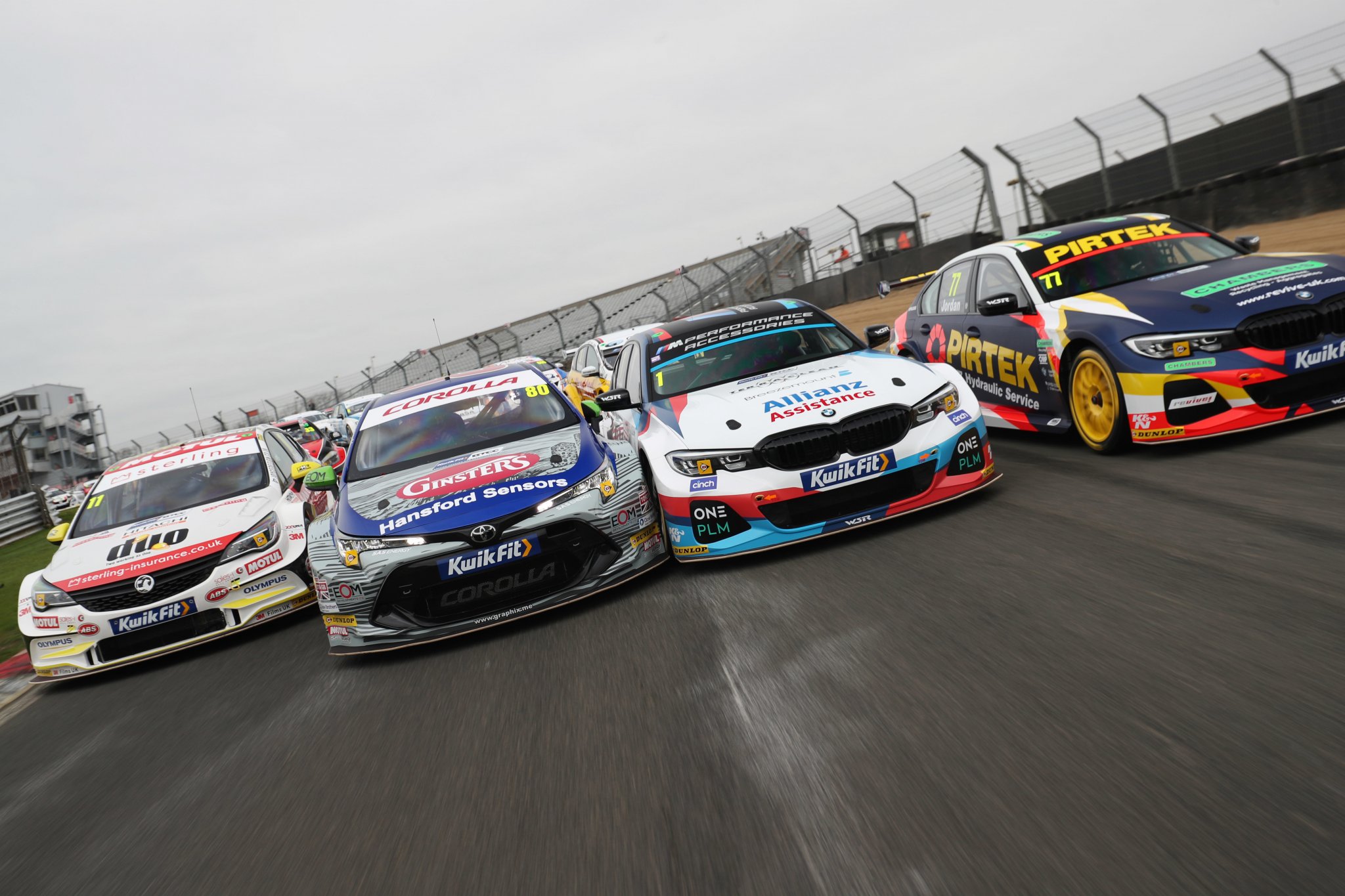
Most people who become interested in motorsport are not immediately thinking about purchasing a race car. It usually begins with them watching a friend on the track and realizing, “I could do that.” Afterward, they become engrossed in what is one of the most technically demanding outdoor activity communities. And one that is also much more accessible than the F1 broadcast might suggest.
The Mental Pull That Keeps People Coming Back
Driving fast on a track requires 100% of your attention. You need to control when to brake, when to steer, the other cars around you, and the sensations you perceive through the steering wheel and seat, all at once. There’s no mental room for whatever was worrying you before you got in the car.
This is an example of what athletes and psychologists refer to as a flow state, and it’s really difficult to replicate without a high-sensory situation. Many outdoor activities come close – surfing, climbing, mountain biking all achieve it. But there’s something unique about the application of speed, risk, and accuracy that driving a car in a circuit achieves. It’s not a completely reactive experience. You know every lap whether you are improving or not.
That level of self-awareness is healthy-addictive. People don’t often go to the track once and then never come back.
How The Hobby Actually Scales
There’s no single way into motorsport. Many people start with karting as it is relatively less expensive compared to car-based motorsport. And the basics of racing lines and car control are the same as you would learn in a full-sized car. You don’t have to leave karting; many club racing veterans use it as a practice ground. Then you could consider track days with your road car or a rental, pushing yourself to go faster, and learning the circuit. This is where most petrolheads find their level, where the hobby remains genuinely cheap.
Club racing, with competition organized through a national motorsport body, with classes that are designed around budget and your level of experience sits above that. And below lies something like autocross, a lower budget, timed competition entry – parking lot or airfield, cones, and quickest lap. Neither requires the budget of a professional.
The point is, you make the ceiling. The hobby quickly expands to fill however much time and money you can afford to throw at it.
Safety Isn’t Optional – It’s What Makes The Hobby Sustainable
Before each track day or club race, you must first submit to technical scrutineering. Your car and your gear are checked over to ensure you meet official safety standards. And if you’re planning to hit the track with nothing more than a cycling helmet and a ski jacket, you will not be granted permission to compete.
The basic gear you’re required to have for most events are a helmet, race suit, and proper shoes. When it comes to your helmet, you must use one that passes a required set of impact and flammability tests. If you’re planning to upgrade from simple track days to competitive events, you’ll want to consider using fia approved racing helmets. These helmets are tested for impact, penetration, and flammability at much higher levels than helmets designed for motorcyclists and road users.
This isn’t just a bunch of red tape. The fact that motorsport is safer now than it ever was is directly related to all of these requirements. Treating your equipment like a professional does is part of the process of earning the respect of your fellow competitors on track.
The Technical Learning Curve Is Part Of The Appeal
It’s not easy learning how to drive fast. The concept of the racing line – identifying the apex of a corner, maximizing your exit speed – is counterintuitive. Our instincts, when first getting behind the wheel, tell us to brake late and turn early. The two approaches are worlds apart.
That gap is the reason why the pursuit remains mentally stimulating, even decades on. There is always something new to learn, whether it’s trail braking, understanding weight transfer, or recognizing the difference between understeer and oversteer. Racing simulators have opened up the world of motorsports to casual fans as well, allowing them to hone their mental map of a track long before they arrive in person.
The performance automotive market is a reflection of just how seriously these enthusiasts take their hobby. Racing and performance gear accounted for a significant portion of the $51.8 billion in specialty-equipment retail sales reported by the Specialty Equipment Market Association in recent years.
Getting Started Is Simpler Than The Sport Looks
Sign up for a track day. Hire a vehicle if you prefer not to drive your own. Check out some onboard videos of the track before the day. Arrive early so that you have time to walk around it. The difference between watching racing on TV and actually doing it is one booking and a couple of hundred dollars. The difference between one track day and getting hooked for a decade is often one corner.